


ENDURANCE ATHLETES FIBER
How Much Fiber Do Endurance Athletes Really Need?
Last Updated: November 25, 2026
Quick Summary
Endurance athletes fiber needs scale with energy intake, using a commonly cited guideline of 14 grams per 1,000 calories. Many endurance athletes self-report intakes below 25 grams per day, so most should track their current intake and raise it gradually through food.
- Commonly cited guideline: 14 grams of fiber per 1,000 calories eaten.
- Self-reported intakes in endurance-trained groups often sit below 25 grams per day.
- Intakes under 20 grams per day are a trigger to consider raising fiber gradually.
- Add one high-fiber food at a time and drink more water as you increase fiber.
- Place high-fiber meals far from hard training to avoid mid-session GI trouble.
Need an easy fiber boost?Organic flax seeds you can stir into oats, shakes and yogurt.
Shop Organic Flax Seeds
Table of Contents
- How Much Fiber Do Endurance Athletes Need Each Day?
- Soluble vs. Insoluble Fiber and How Each Affects GI Distress
- Fiber Before a Workout: What to Eat and What to Skip
- Fiber After a Workout: Recovery Without the Bloat
- High Fiber Foods for Athletes and How to Build Them Into Your Day
- Race Week and Race Day: Fiber Timing and Low-Fiber Meal Templates
- Start Tracking Your Fiber Intake This Week
- Frequently Asked Questions
How Much Fiber Do Endurance Athletes Need Each Day?
Let's cut the fluff. There is no magic number for endurance athletes fiber intake stamped on your forehead because you run marathons or ride centuries. But there are anchors, and you need to know them.
A commonly cited general adult guideline is 14 grams of fiber per 1,000 calories eaten. Check the official dietary reference sources for current intake recommendations. Endurance athletes eat more calories than the average desk worker, so the same 14-grams-per-1,000-calories math pushes the target higher as energy intake rises. That is the framework, fiber scales with energy intake, not with a fixed number.
Here is the problem. Self-reported intakes in groups of endurance-trained athletes often sit below 25 grams per day, according to a 2025 review in Fibre: The Forgotten Carbohydrate in Sports Nutrition Recommendations. Many of you are running a deficit without knowing it.
The same review suggests athletes whose habitual intake sits below 20 grams per day may consider raising it gradually through food. That is an assessment trigger, not a hard target. Your starting point matters more than any headline number.
Why Most Endurance Athletes Fall Short
Endurance training pushes hard on food volume and timing. Many athletes eat plenty of calories, yet the calories come from refined carbs, sports drinks and gels. Those foods are low in fiber.
- Gels, chews and sports drinks add carbs with almost no fiber
- Race-week eating often leans on white bread, pasta and rice
- Fiber-heavy foods like beans and bran can cause gut trouble mid-training, so athletes avoid them
Avoiding fiber to protect the gut is understandable. It also means many athletes never build up a steady intake. The result is a chronic shortfall that shows up as poor digestion, irregularity and a gut that never adapts to real food.
Adjusting Your Target to Training Volume
What the research supports is a simple process: track your current intake, then raise it slowly. If you want a quick way to run the numbers on your calorie intake and see where your fiber target lands, the Free Tools & Fitness Calculators on Tiger Fitness are a useful starting point.
Start by logging your fiber for a week. If you land under 20 grams, add one high-fiber food at a time. Give your gut a few days to adapt before adding the next one. A practical stepwise plan looks like this:
- Week 1: log everything, establish your baseline
- Week 2: add one serving of oats or fruit at breakfast
- Week 3: add beans or lentils at one meal
- Week 4: swap one refined grain for a whole grain
Raising fiber quickly without increasing water intake can lead to bloating and constipation, so drink more as you add fiber.
Fiber Targets vs. Carb and Energy Needs
You cannot chase a fiber number at the expense of the carbohydrates that actually fuel your training. Fiber-rich foods are filling, and they can crowd out carbohydrates you need for hard sessions.
The fix is sequencing, not sacrifice. Put your highest-fiber meals in the hours farthest from hard training, breakfast on an easy day, dinner after a morning session, rest-day meals. Keep the meals closest to hard work lower in fiber and higher in easy-to-digest carbs. That way you hit your fiber target across the day without displacing the fuel that drives performance.
Differences by Sex, Age and Dietary Pattern
One number does not fit everyone. Fiber needs can differ by sex and age, so adjust your intake gradually and monitor how your gut responds. Dietary pattern affects how easily you reach fiber targets, so adjust food choices around training accordingly. Athletes with a history of GI sensitivity should start lower and progress slower than the stepwise plan above.
Track your intake, compare it to the 14-grams-per-1,000-calories anchor, and adjust from there. That is the whole game.
Soluble vs. Insoluble Fiber and How Each Affects GI Distress
Soluble fiber dissolves in water and forms a gel in the gut. For specific high-fiber foods sorted by type, see complete high-fiber food list and athlete guide. Insoluble fiber does not dissolve and adds bulk. Both matter, but they affect your stomach differently.
A 2023 study tested 6 grams of soluble fiber per day for four weeks in 20 healthy university athletes, according to Effects of Soluble Dietary Fibre on Exercise Performance and Perception of Fatigue in Young Basketball Players. That study involved basketball players, not endurance athletes, and the research I have does not report its outcome. Treat it as a dose reference, not proof of a performance gain.
| Fiber Type | Examples | Typical GI Effect Near Training |
|---|---|---|
| Soluble | Oats, flax, psyllium | Gentler, gels in the gut |
| Insoluble | Bran, nuts, many vegetables | Adds bulk, can speed things up |
- If you get cramps near a hard session, try more soluble fiber and less insoluble
- If you are constipated, insoluble fiber with plenty of water often helps
Fiber Before a Workout: What to Eat and What to Skip
Before training, go lighter on fiber. Heavy fiber close to a hard session can cause bloating and urgency.
A large high-fiber meal close to a long run can cause mid-run GI discomfort for some athletes.
Pick low-fiber carbs before you train, such as white rice, a banana or a plain bagel. Save the high-fiber meals for hours before or after training.
Fiber After a Workout: Recovery Without the Bloat
After a hard session, fiber is fine as long as the meal is not huge. For practical low-bloat recovery snacks, see healthy post-workout snack ideas. Oats with fruit or a bean-based lunch works well once your stomach settles.
Flax seeds are an easy add. They are a concentrated fiber source, and you can stir them into a shake or yogurt. NOW Foods Real Food Organic Flax Seeds are a fiber-containing whole food; check the package for exact numbers.
High Fiber Foods for Athletes and How to Build Them Into Your Day
Build fiber into meals you already eat. You do not need a new diet.
- Oats at breakfast, with berries and a spoon of flax
- Beans or lentils at lunch or dinner
- Whole grain bread instead of white
- Fruit and vegetables at most meals
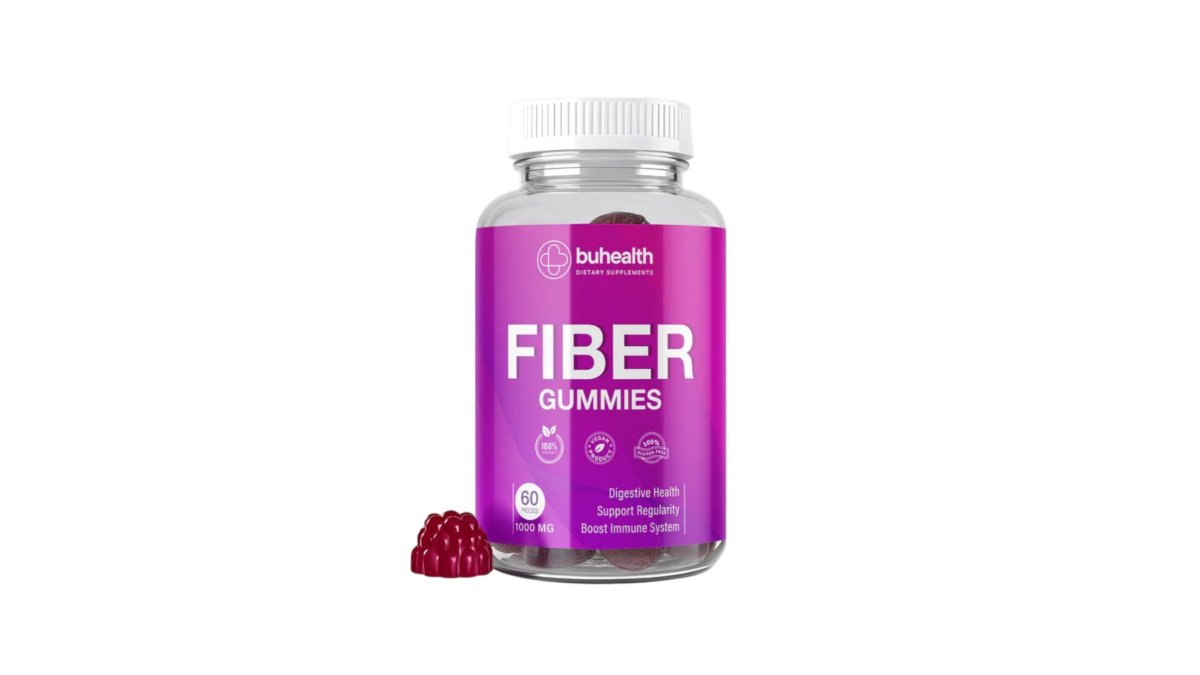
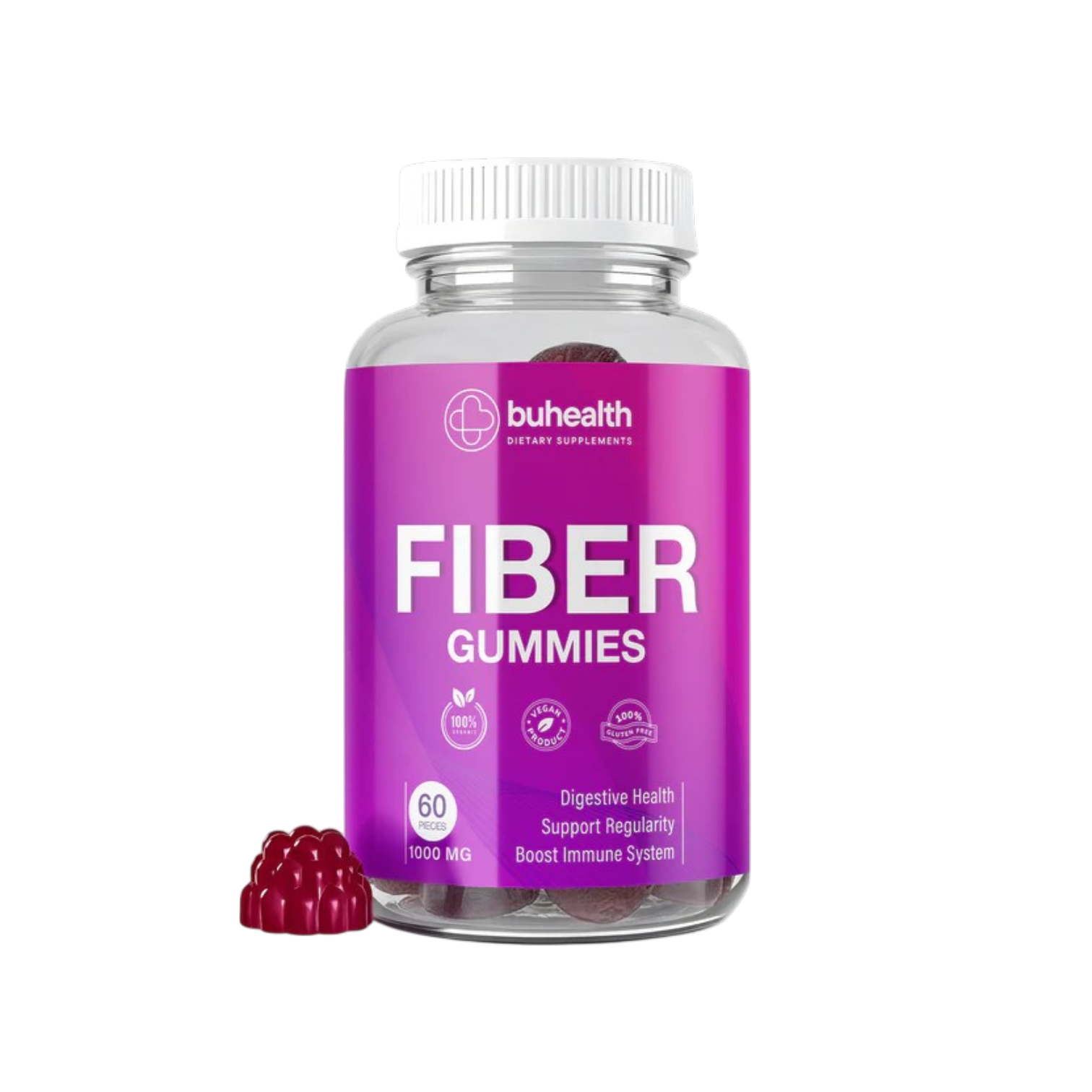
If food alone falls short, a supplement can help. BuHealth Fiber Gummies 1000 mg, Revive MD Fiber Supplement and Core Oats & Whey (7 grams of fiber per serving) are options. Check each label for dose and ingredients before you buy.
Race Week and Race Day: Fiber Timing and Low-Fiber Meal Templates
Race week is not the time to experiment. But 'eat less fiber' is not a plan. Here is the periodized schedule most practitioners use, translated into something you can actually follow.
The Race-Week Fiber Taper
- Seven to four days out: eat normally. Keep your usual high-fiber meals. This is your last window for beans, lentils, bran and big vegetable volume.
- Three days out: start trimming. Cut the highest-fiber foods, beans, bran cereals, raw cruciferous vegetables, but keep oats, fruit and whole grains.
- Two days out: shift toward lower-fiber starches. White rice, white pasta, white bread, bananas, applesauce. Keep total food volume steady; you are changing composition, not cutting calories.
- Day before: low-fiber, low-residue, familiar foods only. Nothing new. Nothing you have not eaten before a long training run.
Watch out: cutting fiber too early in race week can backfire into constipation on race morning. The three-day window is the sweet spot for most athletes.
Race-Day Templates by Start Time and Duration
A 5K at 8 a.m. and a 140.6 that starts at 7 a.m. are not the same gut challenge. Match your pre-race meal to the event.
Short event, morning start (under 90 minutes):
- Three hours before: white bagel with honey and a banana
- One hour before: small sports drink or half a banana
- During: water or sports drink as needed
Long event, morning start (2 to 5 hours):
- Three hours before: white rice with a little salt and a banana, or white bread with jam
- One hour before: a gel you have tested in training plus water
- During: gels, chews and sports drinks on your tested schedule
Early-morning start (before 6 a.m.):
- Night before: low-fiber dinner you have eaten before, white pasta with a plain tomato sauce, white rice with chicken
- Two hours before: liquid or easily digested carbs, a smoothie with banana and white bread, or a sports drink plus a plain bagel
- Keep it small. Your gut is not awake yet.
Afternoon or evening start:
- Breakfast: normal low-fiber training breakfast
- Lunch: white rice or pasta with a lean protein, no beans, no big salads
- Two to three hours before: a banana and a plain bagel
Low-Fiber Meal and Snack Templates
- White rice with grilled chicken and a little salt
- White pasta with plain tomato sauce and lean beef
- White bread sandwich with turkey
- Bananas, applesauce, white bagels, plain crackers
- Sports drinks, gels and chews you have tested
Save your high-fiber meals for the days after the race, once you are recovering. That is when beans, lentils, oats and vegetables go back on the plate.
After the Race: Reintroduce Fiber Gradually
Do not go from race-day low-fiber straight into a bran bowl the next morning. Give your gut 24 to 48 hours, then reintroduce fiber the same way you built it up, one source at a time. Your gut will thank you.
Start Tracking Your Fiber Intake This Week
Pick one day this week and write down everything you eat. Add up the fiber. Compare the total to the 20 to 25 gram range from the research above.
If you are under the range, add one fiber source per day for a week. Note how your stomach feels during training. Adjust from there.
Our pick for an easy daily add-on is the NOW Foods flax seeds, which you can sprinkle into almost anything. Start there and build from it.
Frequently Asked Questions
How much fiber does a 200-pound man need a day?
Endurance athletes often need to assess their own habitual intake first, and a gradual increase is a reasonable approach when intake is low. Body weight alone does not set the number. Track your intake for a week, compare it to those benchmarks, and adjust in small steps rather than jumping straight to a high target.
Is 40 grams of fiber a day too much for an athlete?
For most athletes, 40 grams per day is not dangerous, but it can cause bloating, cramping or loose stools if you go from low intake to that level overnight. The main risk is GI trouble during training, not long-term harm. If you are moving up from a low baseline, add fiber over several weeks and drink enough water. If digestion gets worse, cut back and reintroduce the increase more slowly. Persistent symptoms are a reason to talk to a qualified healthcare professional.
Should endurance athletes eat fiber before a workout?
Usually not in large amounts right before a hard session or race. Some athletes find high-fiber meals close to training cause GI discomfort. Keeping fiber-heavy meals several hours before training and testing your own tolerance in training is a practical approach.
Is fiber helpful for recovery after a workout?
Fiber supports overall diet quality and daily intake, so it belongs in your recovery meals as part of a balanced plan. Fiber supports daily intake and overall diet quality, and it is best added through foods like oats, fruit and legumes at a later meal. Core Oats and Whey lists 25 grams of whey protein and 7 grams of fiber per serving.

Leave a comment